
Ethiopia’s civilization and statehood reaches back more than 3,000 years, and much of that history can still be found in the way the country lives today.
The Ge’ez script, one of the world’s oldest writing systems still in everyday use, remains the basis of Amharic, Tigrinya and other Ethiopian languages, while the Ethiopian calendar, with twelve months of thirty days and a short thirteenth, currently places the country in the year 2019. Its traditions of faith, learning, community, and craftsmanship have been carried from one generation to the next, giving Ethiopia a character shaped by both history and continuity.
It is also a history shared by people of different faiths. Christians, Muslims, and followers of other traditions have lived alongside one another for centuries, with places of worship and religious traditions forming an important part of Ethiopia’s cultural life. The First Hijra is one of the earliest chapters of this history, when Muslims fleeing persecution found refuge in Ethiopia.
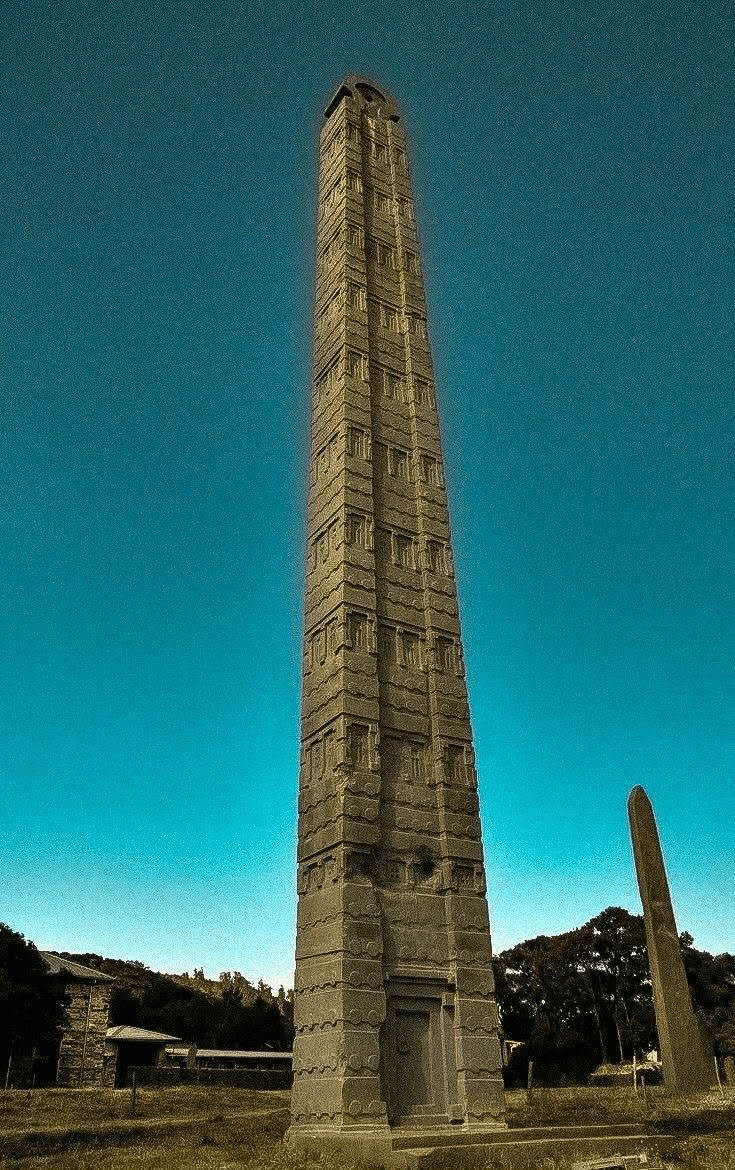
Today, 12 Ethiopian sites are recognized on the UNESCO World Heritage List, among them the eleven rock-hewn churches of Lalibela, carved downward into solid rock in the twelfth and thirteenth centuries, and the obelisks of Aksum. Ethiopian traditions also feature on UNESCO’s Intangible Cultural Heritage lists. Together, they tell a story still being lived, not simply remembered.
In Ethiopia, the past is not something left behind. It is part of the language, the calendar, the faith, and the traditions people carry with them every day.