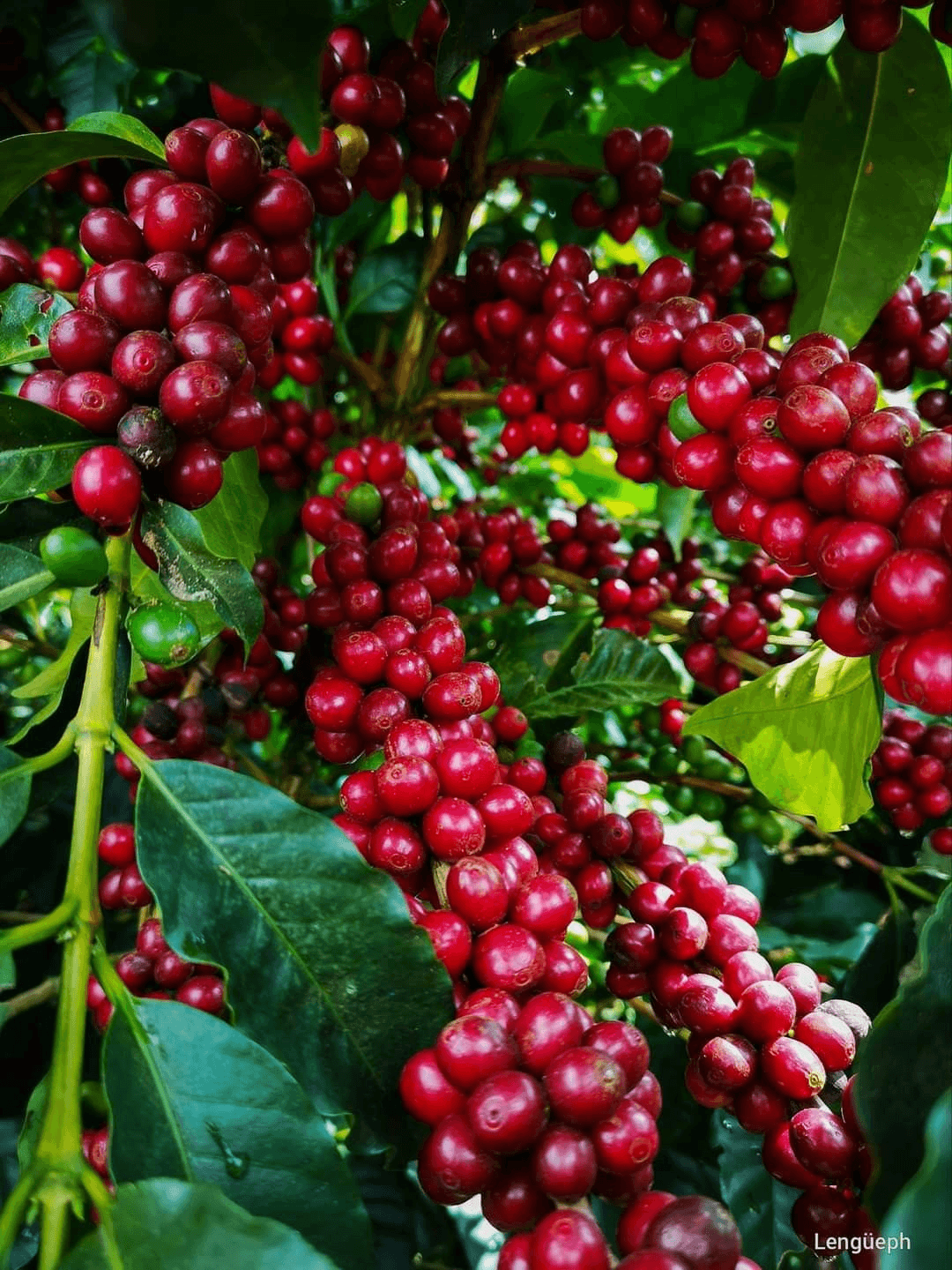

Coffea Arabica (Ethiopica) traces its origin to Ethiopia, where it has grown wild across the country’s forests and highlands. From these landscapes, coffee travelled across borders to become one of the world’s most familiar daily drinks. Today Ethiopia is Africa’s largest coffee producer.
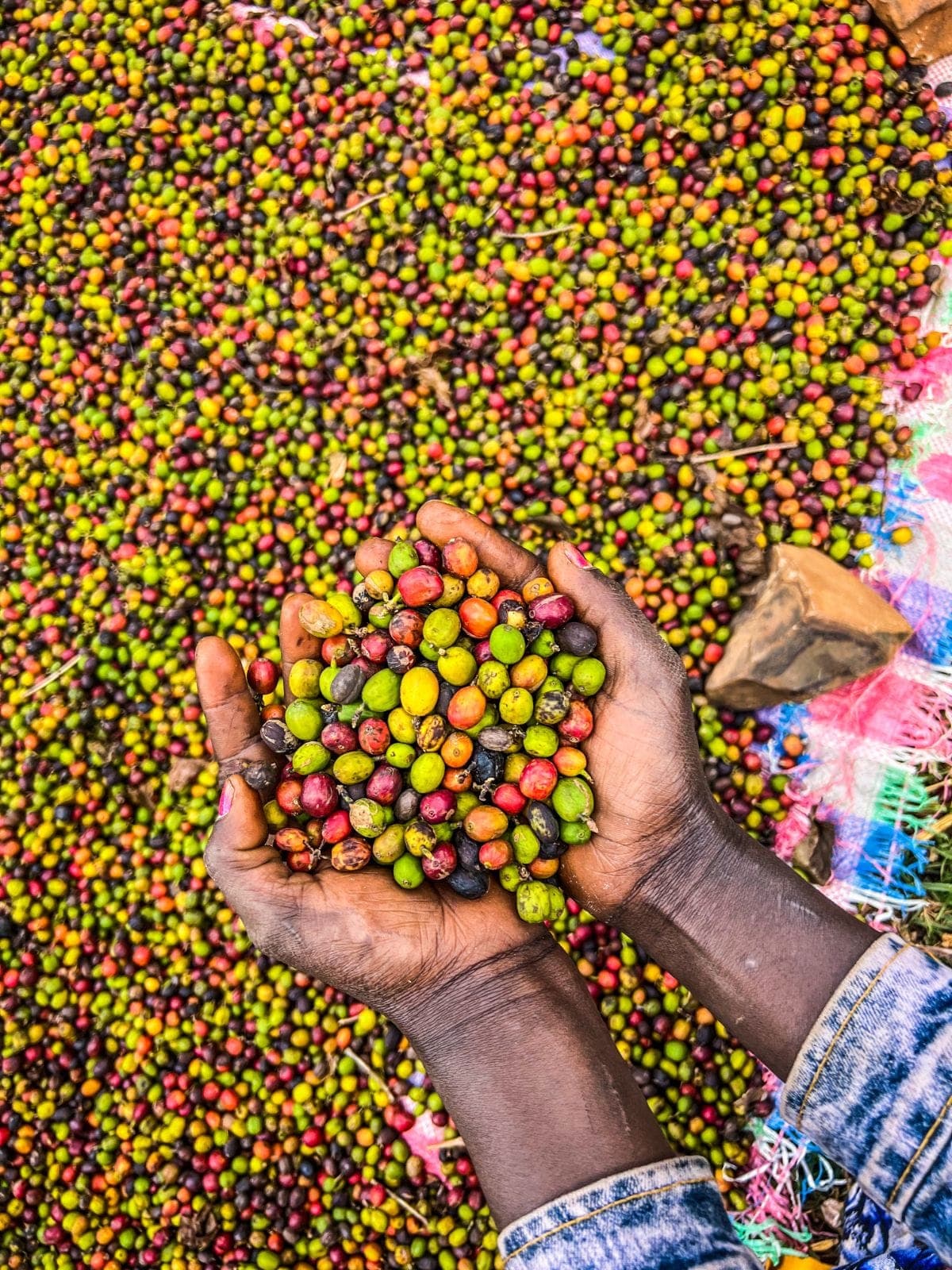
But Ethiopian coffee is more than a story of origin. It is a livelihood sustained by communities that grow, harvest, process, trade, roast, and serve it. Coffee exports passed US$3 billion in 2025/26. Yet almost half the crop never leaves the country: coffee here is not only an export but a part of everyday life and identity.
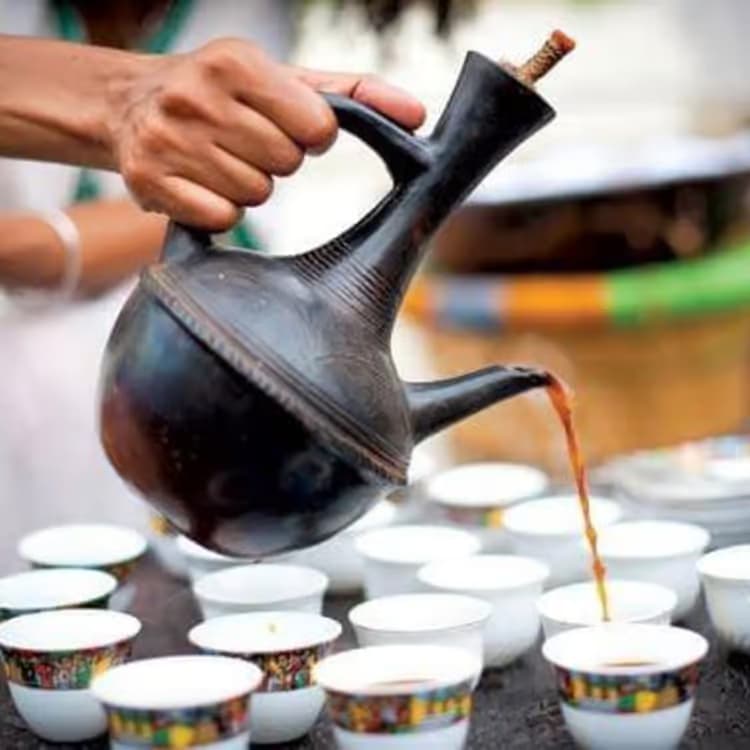
At the centre of this heritage is the Ethiopian coffee ceremony, where coffee is served in three traditional rounds: Abol, the first and strongest; Tona, the second brew; and Baraka, the final round, traditionally associated with blessing. Yet the ceremony is never hurried. Each pour is given time to settle, or Mesken/መስከን, creating a quiet pause before the coffee is served. In that stillness, conversation unfolds, relationships deepen, and guests are given time to feel welcomed.
This is Ethiopia’s gift to the world: not only coffee, but a tradition of hospitality built around the act of sharing it. Every cup carries a connection to its source: Ethiopia, where it is grown, celebrated, and shared.